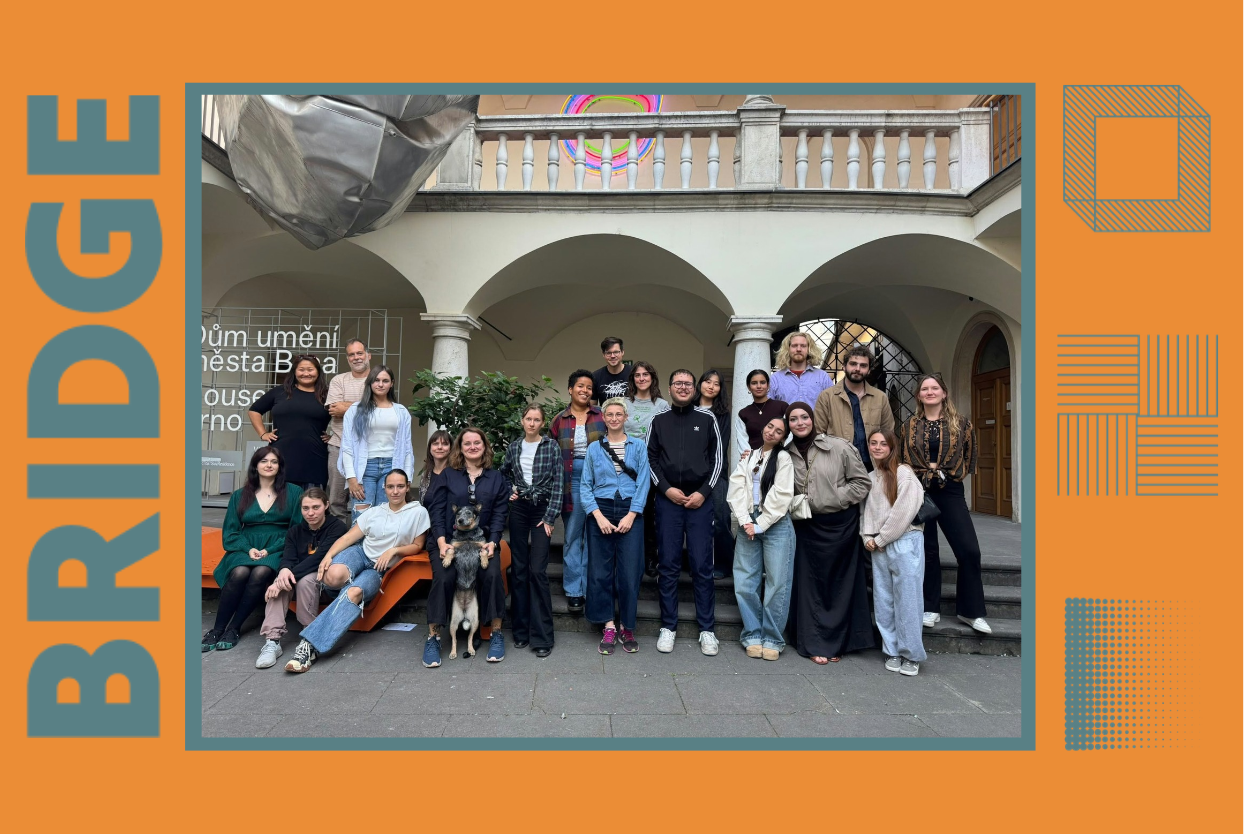
From 29 September to 1 October 2026, NESEHNUTÍ hosted the international BRIDGE training, Stories, Spaces & Communities, in Brno, Czechia. The three-day training explored the connections between migration, storytelling and inclusive community work. It focused on how stories shape our perceptions of people who move to new countries, how narratives can reinforce stereotypes and prejudice, and how alternative narratives can help foster more open, inclusive and cohesive communities.
The training brought together youth workers, community workers, volunteers and others interested in migration and inclusion. Conducted in English, the programme combined collaborative learning, practical workshops, experience-sharing and discussions on how to apply the knowledge and tools gained in participants’ local contexts.
From stereotypes to alternative narratives
The first day, held at Radnická 8, focused on getting to know one another, sharing expectations and establishing common principles for working together. Participants then explored harmful narratives, stereotypes, racism and hate speech. Together, they examined how such messages emerge, what purposes they serve and how they influence perceptions of migrants and their place in society.
An important part of the programme involved working with real-life stories of people with migration experience from Czechia, Germany and Spain. Participants analysed how stories are told, what meanings we attach to them, and how they can either reinforce prejudice or challenge established stereotypes. They also explored the difference between counter-narratives, which challenge dominant harmful messages, and alternative narratives, which offer different ways of thinking about an issue.
Brno as a space for different experiences
On the second day, participants took part in a reverse guided tour of Brno’s city centre. This approach encourages people to look at public spaces from different perspectives and reflect on who feels welcome, who feels they belong, and who may encounter barriers. The tour was followed by a group reflection and a discussion on how this method could be adapted and used in other cities and communities.
In the afternoon, Dominika Šindelková from Storytelling CZ led a workshop on storytelling as a tool for community work. Participants explored the basic structure of a story and worked practically with authentic experiences, developing initial ideas for their own narratives. The workshop also addressed the responsibility involved in storytelling: how to share personal experiences and approach other people’s stories sensitively without speaking on their behalf or distorting their experiences.


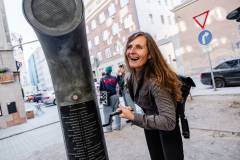
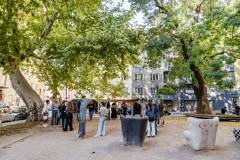

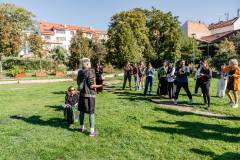
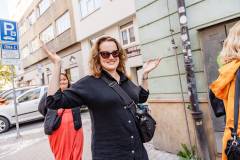
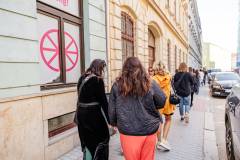
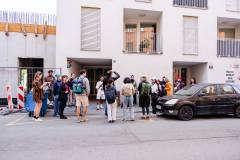
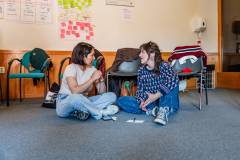
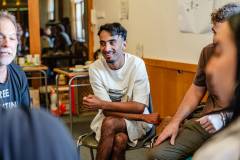
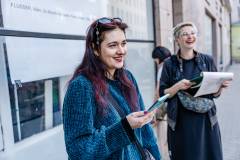
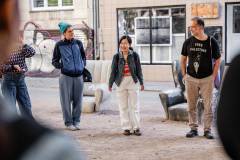
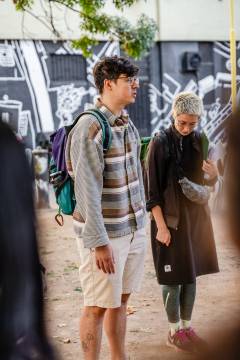
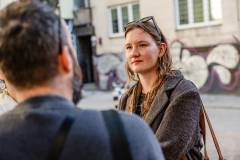
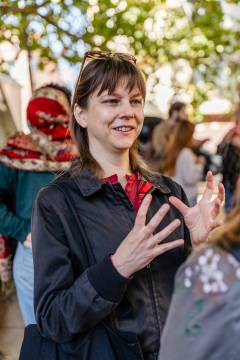
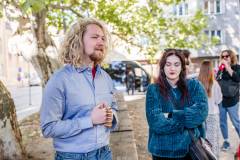
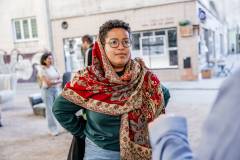
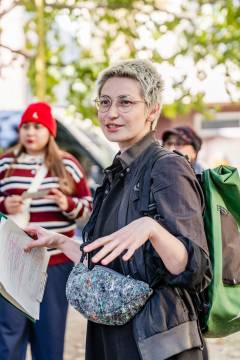
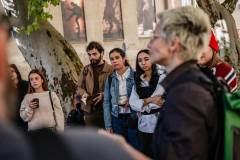
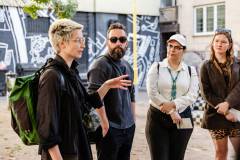
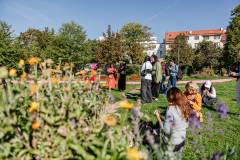
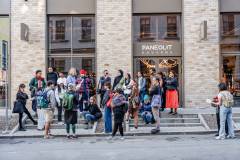
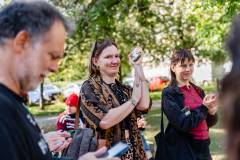
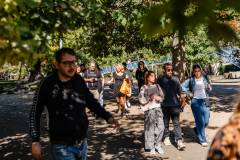

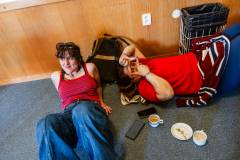
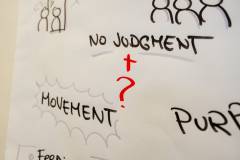
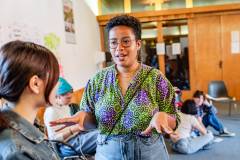

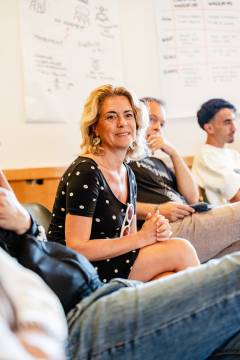
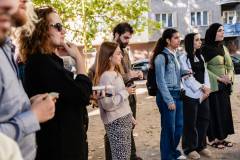
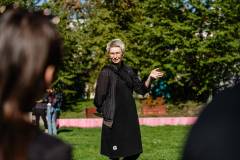
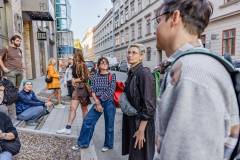
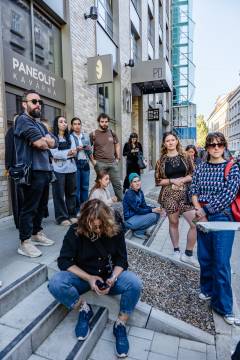

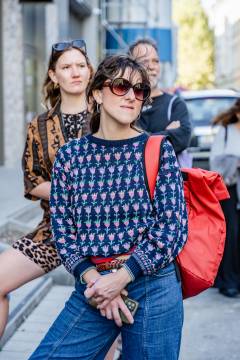
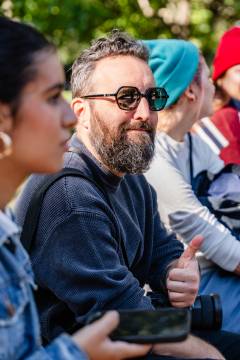
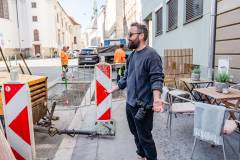
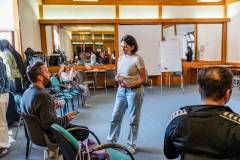
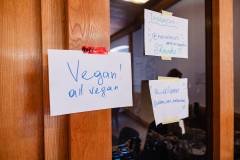
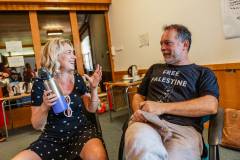
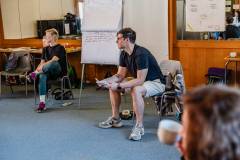
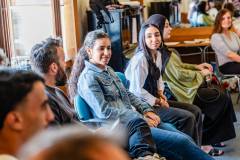
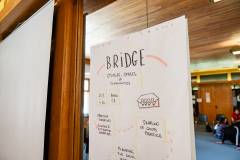
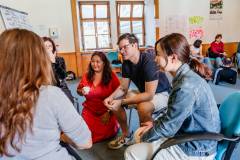
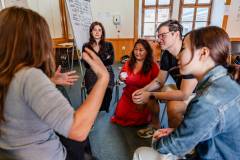
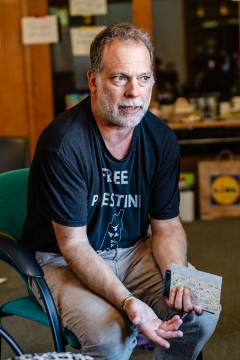
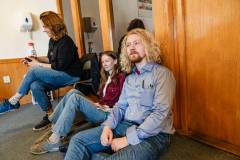
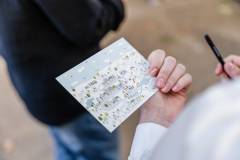
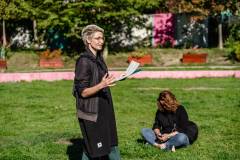
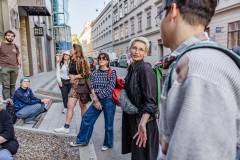
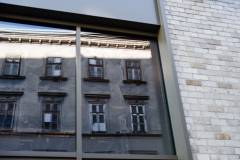
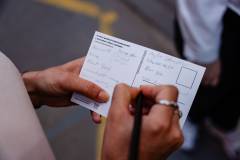
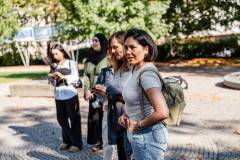
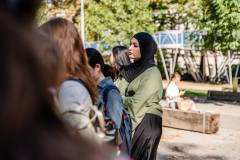
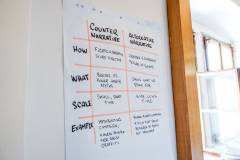
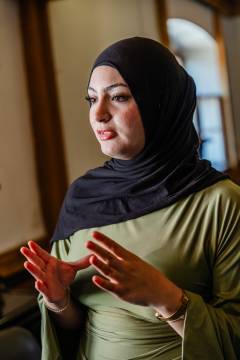
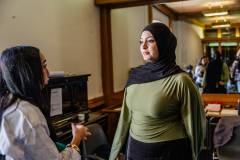
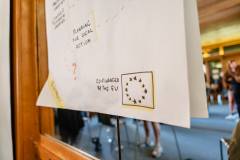
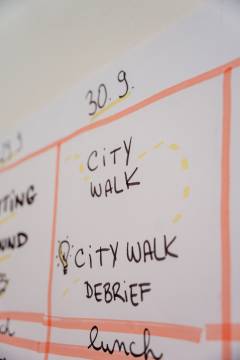
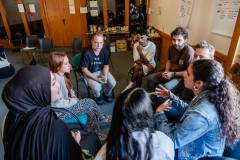
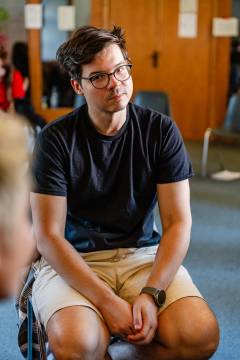
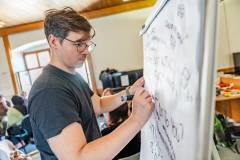


Photo by Andrea Myška
From personal experiences to collective action
The final day took place at Trojka café and focused on putting the knowledge and skills gained during the training into practice. Participants were introduced to Czary Wary, a community project run by NESEHNUTÍ, which served as a starting point for discussions about what makes a community event genuinely inclusive, meaningful and sustainable. They explored how to create environments where people with different backgrounds, experiences and needs can participate.
This was followed by the From Story to Campaign workshop, which connected the previous work on stories and narratives with campaign planning. Participants explored how a human rights-based approach can help develop alternative messages and transform personal experiences into communication that reaches a wider audience.
The final practical activity focused on developing local action plans. These plans were intended to outline concrete next steps, including target audiences, the content of activities or campaigns, communication strategies, timelines, the distribution of responsibilities and other key elements needed to put ideas into practice.
International cooperation as a pathway to more inclusive communities
The BRIDGE training created space for learning across countries and for exploring practical tools that organisations and individuals can use in their everyday work. It brought together storytelling and narrative work, the experiences of people with migration backgrounds, public space and community activities. The training highlighted several ways to help create environments where diverse voices and experiences are valued and where people can actively participate in the life of their communities.



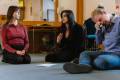
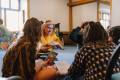

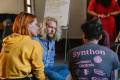
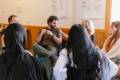
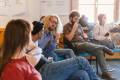
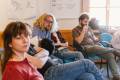
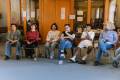
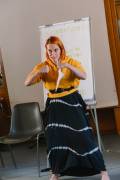
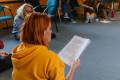
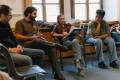
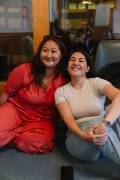
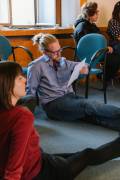
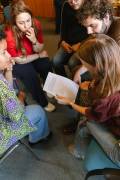
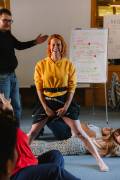
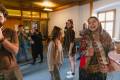
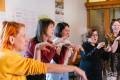
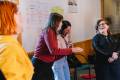
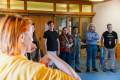
Photo by Alexandra Snováková
The training was organised as part of the international Erasmus+ project BRIDGE (Building Relationships for Inclusive and Democratic Grassroots Engagement), which connects organisations from Czechia, Germany and Spain. The project aims to develop approaches to inclusion, community work and alternative narratives together with young people and people with migration experience. NESEHNUTÍ coordinates the project, which is funded by the European Union through the Erasmus+ programme.